
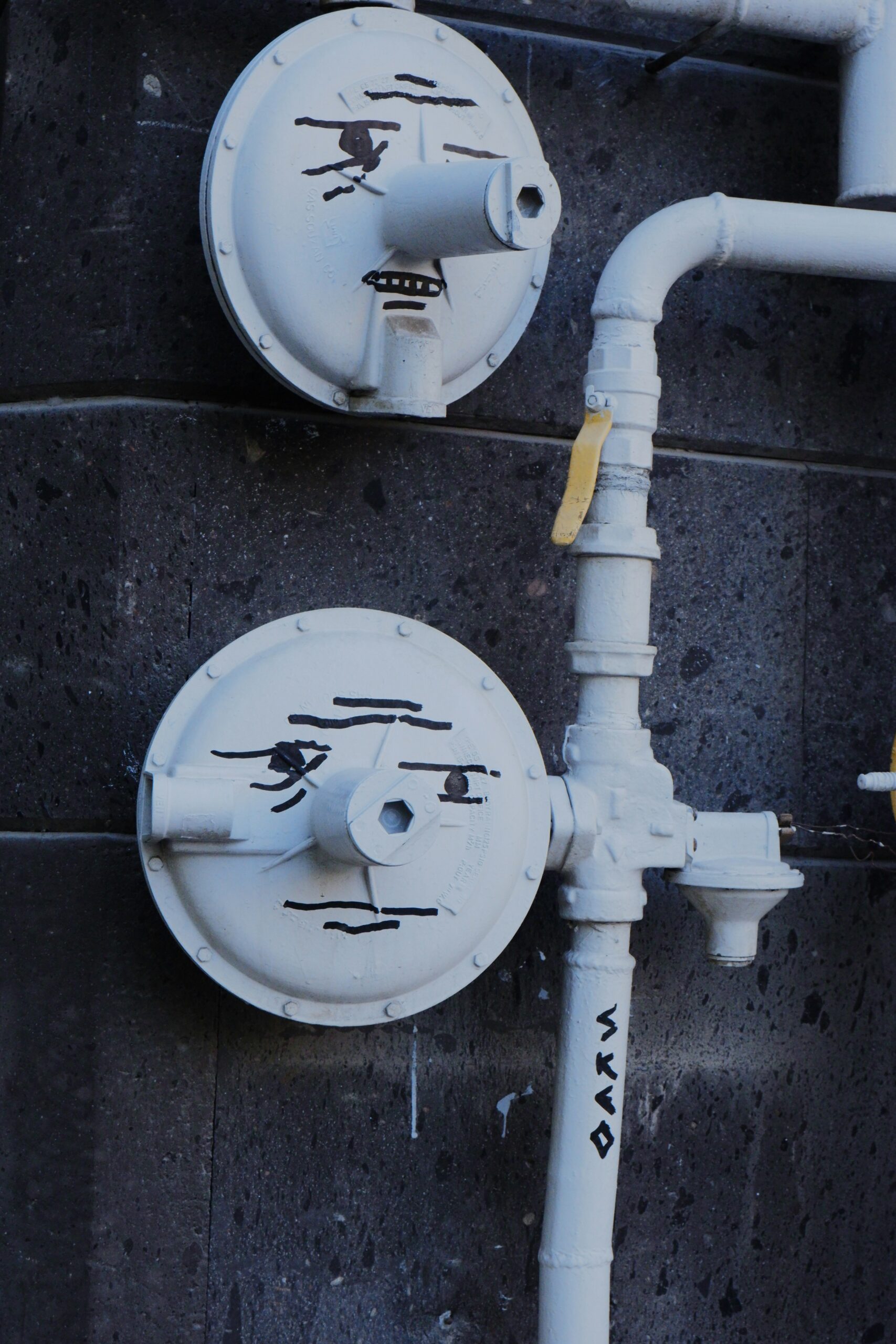
We know nature is chaotic and impersonal, and yet we can’t help ourselves from maternalising its power, calling it mother nature, endowing it with the agency, intention, and intimacy of a parental figure. While projecting morality and care onto the cosmos feels intuitive, the universe does not revolve around us; our anthropomorphic metaphors reveal the limits of our cognition, telling us more about human nature than about the life that surrounds us.
We know nature is chaotic and impersonal, and yet we can’t help ourselves from maternalising its power, calling it mother nature, endowing it with the agency, intention, and intimacy of a parental figure. While projecting morality and care onto the cosmos feels intuitive, the universe does not revolve around us; our anthropomorphic metaphors reveal the limits of our cognition, telling us more about human nature than about the life that surrounds us.
Photo by Maxim Nikiforov
Photo by Maxim Nikiforov
The universe was not made for us, it is indifferent to our existence. Yet it sends signs, it guides us, it punishes, ridicules, tests and rewards; we treat the universe as a planner with goals and moral authority, similar to a judge or parent, who keeps score and enforces justice. Gods or other celestial beings are said to feel human emotions, they are wrathful or loving occupants of familial fatherly roles, and even when theology denies physical form, they are depicted with faces, limbs, and voices.
In our attempt to understand the behaviour of life, we inject our own agency, our cultural contexts and intentions, into our interpretation of its behaviour. We look for ourselves, our humanness, into everything that surrounds us. In some ways, this propensity is a mental shortcut that we’ve adopted to condense our world into digestible bites of information. Humans can only process so many layers of abstraction, and have evolved our anthropomorphic tendencies to navigate small social and natural environments, not cosmic ones. While this anthropomorphism arguably grants us our capacity for compassion and empathy to other sentient beings, our tendency to repeatedly extend this to interpreting the intricacies of nature, the universe, and religion, has inflated our confidence in our ability to understand them, and opened doors to the consequences of unsubstantiated naturalistic fallacies. We recognise their immense complexity on the one hand while, contradictingly, using humanness as a reference for understanding on the other. Our feeble capacity for complexity leads us to compensate by doing what we do best: at the expense of accepting vastness, we mislead ourselves from understanding. We anthropomorphise and construct narratives for religion, nature, and the universe, giving these complex bodies meaning, agency, and predictability, as a compression mechanism for navigating ourselves in the unknown that surrounds us.
There are a multitude of theories that point to a human predisposition to search for agency in the world, a predisposition that provides misleading evidence to our naturalistic claims of hierarchy, and our wrongfully inflated confidence in our understanding of life. The Hyperactive Agency Detection Device was coined by Barret (2004) as an automatic mental tool possessed by humans that overdetects intentionality and agency in the environment, a device which was passed down through evolution as an advantageous mechanism for processing the presence of human or nonhuman agents. Similarly, Narrative Identity Theory posits that humans understand their own world through stories, their sense of self through storytelling, and weave our own and others’ life experiences into a coherent narrative to derive a sense of purpose and meaning (McAdams & McLean, 2013). In combination, these features lead us to infer autonomy and narrative coherence to otherwise random or complex large-scale phenomena. To illustrate this: our tendency to assign the occurrence of unusual events to religious miracles or deliberate acts of divine intervention, interpret natural disasters as moral symbols or acts of natural punishment, or even how, perhaps some of us, believe climate change is mother nature’s secret little revenge plan, are all examples of how we attribute intentionality to nature even when none exists.
“Our feeble capacity for complexity leads us to compensate by doing what we do best: at the expense of accepting vastness, we mislead ourselves from understanding.”
Repeatedly interpreting the behaviour of these systems through the perceptual bias granted by our human need for order and coherence leads us to solidify these misleading portrayals as reflections of reality. In some cases, this mischaracterisation is harmless, like when we describe fortunate coincidences as the universe aligning itself, personify the sea as cruel or merciful in literature, or interpret challenge and personal loss as tests of resilience. However, harmful anthropomorphisms like misattributing causality in nature events as punishments from nature or climate change as nature correcting itself rather than a human process undermines their scientific understanding, and discourages preventative or corrective action; believing that victims deserved illness or disaster due to divine judgement normalises injustice, suppresses empathy, and reduces moral responsibility; waiting for the universe to resolve problems rather than acting on them, rejecting medical treatment by justifying disease as part of a grand narrative plan, replaces human accountability and practical decision-making with an illusion of relief in nature’s anthropomorphic agency.
Even more significant are the consequences that arise from the way in which our projection of familial hierarchy into our characterisation of cosmic systems has enabled the attribution of unearned authority to non-falsifiable agents and our understanding of power as a reflection of natural hierarchy. Freud believed that we project our longing for protective parental figures and our desire for authority on a cosmic scale in such a way that it justifies our claims of an innate hierarchy in the universe. The presence of an omnipotent, all-knowing, anthropomorphic God that has a vision for each of us mortal humans provides our life with meaning and a sense of purpose derived from an illusion of divine authority in the fate of our lives. However, this mischaracterisation that occurs, adapting reality to fit our feeble cognitive capacities, has consequences. The assumption of a hierarchical cosmology is extended to human structures, legitimising unequal power distribution among people because hierarchy is assumed to be a natural feature of creation. This order, traditionally religious, claims God as a human-like figure of authority, and if God is a ruler, then rulers must act like God; if creation is ordered hierarchically, then social inequality and human hierarchy can be framed as natural and correct. This illusion of hierarchical order in nature is a fallacy and its application to the execution of power in human societies perpetuates gender inequality, class stratification, and racist ideology. Moreover, it sets us up for ideological exploitation: religious leaders claiming direct knowledge of divine interventions, or political movements portraying national success or failure as cosmically ordered, attributes authority to non-falsifiable agents, shielding them from critique and enabling coercion. The characterisation of God, nature and the universe as anthropomorphic structures with personality, moral superiority, and intention, while satisfying a psychological need to know our place in a larger system, skews our perception of their role. It provides us with certainty that we really have no grounds for, certainty in the righteousness of our own actions that incorrectly justifies human and non-human oppression without recognising its own ignorance and its own foundations as naturalistic fallacies.
“However, while it’s important to find effective ways to navigate the abstract largeness of nature and religion, failing to recognise the misrepresentation that anthropomorphism introduces has bred arrogance in our understanding, and from this have followed significant societal and perceptual consequences. The falsification of religion is easy if we don’t recognise how anthropocentric the hoops that we expect Gods to jump are.”
Importantly, the anthropomorphism of nature and religion is an abrahamic conceptualisation of existence, and while its consequences are evident in our roots of existential struggles, these conceptualisations are not universal. While abrahamic traditions emphasise a transcendent, authoritative, hierarchical God, many non-Western traditions like Indigenous cosmologies, Hinduism, Shintoism, Taoism, view divinity as immanent; permeating the world rather than sitting atop it (Ferguson, 2010). In these frameworks, characterisations of existence become ecological and relational, and less individualistic and hierarchical. Where many Western frameworks apply character to establish hierarchy, other traditions use it to establish relationships or continuity. In animistic cosmologies, nature is not led by a God, but by spirits which rarely fit strict hierarchies and are rarely fully anthropomorphic: the forest, river, and stone have agency, playing a role in their context of existence, but they do not necessarily have authority. This demonstrates that, as humans, we have the capacity to acknowledge the limits of our own perception, and shape our understanding of the world without placing ourselves as the central source of reference.
Humans have a need to make their world feel ordered and secure, and have evolved extensive mental shortcuts to achieve the sense of existential understanding necessary to do so. However, while it’s important to find effective ways to navigate the abstract largeness of nature and religion, failing to recognise the misrepresentation that anthropomorphism introduces has bred arrogance in our understanding, and from this have followed significant societal and perceptual consequences. The falsification of religion is easy if we don’t recognise how anthropocentric the hoops that we expect Gods to jump are. If Gods were real, their power would be so much greater than our little empiricism-centered, logic-ridden organic brains could ever expect to disprove with our technology and cognitive capacity. Assigning hierarchy to nature has allowed us to emancipate ourselves from the symbiotic relationship we hold with our Earth, to maintain the narrative of humans as (ir)responsible custodians who have a duty, instead of recognising our status as participating members of its system.
References
- Barrett, J. L. (2004). Why would anyone believe in god? Cognitive Science of Religion.
- Ferguson, D. S. (2010). Exploring the spirituality of the world religions : The quest for personal, spiritual and social transformation. Continuum.
- Kriger, B. B. (2025, April 9). The sacred illusion: Human constructions of god between elevation and enslavement. Medium; The Common Sense World. https://medium.com/common-sense-world/the-sacred-illusion-human-constructions-of-god-between-elevation-and-enslavement-668bc697552c
- McAdams, D. P., & McLean, K. C. (2013). Narrative identity. Current Directions in Psychological Science, 22(3), 233–238. https://doi.org/10.1177/0963721413475622
- Vohs, K. D., Aaker, J. L., & Catapano, R. (2019). It’s not going to be that fun: Negative experiences can add meaning to life. Current Opinion in Psychology, 26, 11–14. https://doi.org/10.1016/j.copsyc.2018.04.014
The universe was not made for us, it is indifferent to our existence. Yet it sends signs, it guides us, it punishes, ridicules, tests and rewards; we treat the universe as a planner with goals and moral authority, similar to a judge or parent, who keeps score and enforces justice. Gods or other celestial beings are said to feel human emotions, they are wrathful or loving occupants of familial fatherly roles, and even when theology denies physical form, they are depicted with faces, limbs, and voices.
In our attempt to understand the behaviour of life, we inject our own agency, our cultural contexts and intentions, into our interpretation of its behaviour. We look for ourselves, our humanness, into everything that surrounds us. In some ways, this propensity is a mental shortcut that we’ve adopted to condense our world into digestible bites of information. Humans can only process so many layers of abstraction, and have evolved our anthropomorphic tendencies to navigate small social and natural environments, not cosmic ones. While this anthropomorphism arguably grants us our capacity for compassion and empathy to other sentient beings, our tendency to repeatedly extend this to interpreting the intricacies of nature, the universe, and religion, has inflated our confidence in our ability to understand them, and opened doors to the consequences of unsubstantiated naturalistic fallacies. We recognise their immense complexity on the one hand while, contradictingly, using humanness as a reference for understanding on the other. Our feeble capacity for complexity leads us to compensate by doing what we do best: at the expense of accepting vastness, we mislead ourselves from understanding. We anthropomorphise and construct narratives for religion, nature, and the universe, giving these complex bodies meaning, agency, and predictability, as a compression mechanism for navigating ourselves in the unknown that surrounds us.
There are a multitude of theories that point to a human predisposition to search for agency in the world, a predisposition that provides misleading evidence to our naturalistic claims of hierarchy, and our wrongfully inflated confidence in our understanding of life. The Hyperactive Agency Detection Device was coined by Barret (2004) as an automatic mental tool possessed by humans that overdetects intentionality and agency in the environment, a device which was passed down through evolution as an advantageous mechanism for processing the presence of human or nonhuman agents. Similarly, Narrative Identity Theory posits that humans understand their own world through stories, their sense of self through storytelling, and weave our own and others’ life experiences into a coherent narrative to derive a sense of purpose and meaning (McAdams & McLean, 2013). In combination, these features lead us to infer autonomy and narrative coherence to otherwise random or complex large-scale phenomena. To illustrate this: our tendency to assign the occurrence of unusual events to religious miracles or deliberate acts of divine intervention, interpret natural disasters as moral symbols or acts of natural punishment, or even how, perhaps some of us, believe climate change is mother nature’s secret little revenge plan, are all examples of how we attribute intentionality to nature even when none exists.
“ Our feeble capacity for complexity leads us to compensate by doing what we do best: at the expense of accepting vastness, we mislead ourselves from understanding”
Repeatedly interpreting the behaviour of these systems through the perceptual bias granted by our human need for order and coherence leads us to solidify these misleading portrayals as reflections of reality. In some cases, this mischaracterisation is harmless, like when we describe fortunate coincidences as the universe aligning itself, personify the sea as cruel or merciful in literature, or interpret challenge and personal loss as tests of resilience. However, harmful anthropomorphisms like misattributing causality in nature events as punishments from nature or climate change as nature correcting itself rather than a human process undermines their scientific understanding, and discourages preventative or corrective action; believing that victims deserved illness or disaster due to divine judgement normalises injustice, suppresses empathy, and reduces moral responsibility; waiting for the universe to resolve problems rather than acting on them, rejecting medical treatment by justifying disease as part of a grand narrative plan, replaces human accountability and practical decision-making with an illusion of relief in nature’s anthropomorphic agency.
Even more significant are the consequences that arise from the way in which our projection of familial hierarchy into our characterisation of cosmic systems has enabled the attribution of unearned authority to non-falsifiable agents and our understanding of power as a reflection of natural hierarchy. Freud believed that we project our longing for protective parental figures and our desire for authority on a cosmic scale in such a way that it justifies our claims of an innate hierarchy in the universe. The presence of an omnipotent, all-knowing, anthropomorphic God that has a vision for each of us mortal humans provides our life with meaning and a sense of purpose derived from an illusion of divine authority in the fate of our lives. However, this mischaracterisation that occurs, adapting reality to fit our feeble cognitive capacities, has consequences. The assumption of a hierarchical cosmology is extended to human structures, legitimising unequal power distribution among people because hierarchy is assumed to be a natural feature of creation. This order, traditionally religious, claims God as a human-like figure of authority, and if God is a ruler, then rulers must act like God; if creation is ordered hierarchically, then social inequality and human hierarchy can be framed as natural and correct. This illusion of hierarchical order in nature is a fallacy and its application to the execution of power in human societies perpetuates gender inequality, class stratification, and racist ideology. Moreover, it sets us up for ideological exploitation: religious leaders claiming direct knowledge of divine interventions, or political movements portraying national success or failure as cosmically ordered, attributes authority to non-falsifiable agents, shielding them from critique and enabling coercion. The characterisation of God, nature and the universe as anthropomorphic structures with personality, moral superiority, and intention, while satisfying a psychological need to know our place in a larger system, skews our perception of their role. It provides us with certainty that we really have no grounds for, certainty in the righteousness of our own actions that incorrectly justifies human and non-human oppression without recognising its own ignorance and its own foundations as naturalistic fallacies.
“However, while it’s important to find effective ways to navigate the abstract largeness of nature and religion, failing to recognise the misrepresentation that anthropomorphism introduces has bred arrogance in our understanding, and from this have followed significant societal and perceptual consequences. The falsification of religion is easy if we don’t recognise how anthropocentric the hoops that we expect Gods to jump are.”
Importantly, the anthropomorphism of nature and religion is an abrahamic conceptualisation of existence, and while its consequences are evident in our roots of existential struggles, these conceptualisations are not universal. While abrahamic traditions emphasise a transcendent, authoritative, hierarchical God, many non-Western traditions like Indigenous cosmologies, Hinduism, Shintoism, Taoism, view divinity as immanent; permeating the world rather than sitting atop it (Ferguson, 2010). In these frameworks, characterisations of existence become ecological and relational, and less individualistic and hierarchical. Where many Western frameworks apply character to establish hierarchy, other traditions use it to establish relationships or continuity. In animistic cosmologies, nature is not led by a God, but by spirits which rarely fit strict hierarchies and are rarely fully anthropomorphic: the forest, river, and stone have agency, playing a role in their context of existence, but they do not necessarily have authority. This demonstrates that, as humans, we have the capacity to acknowledge the limits of our own perception, and shape our understanding of the world without placing ourselves as the central source of reference.
Humans have a need to make their world feel ordered and secure, and have evolved extensive mental shortcuts to achieve the sense of existential understanding necessary to do so. However, while it’s important to find effective ways to navigate the abstract largeness of nature and religion, failing to recognise the misrepresentation that anthropomorphism introduces has bred arrogance in our understanding, and from this have followed significant societal and perceptual consequences. The falsification of religion is easy if we don’t recognise how anthropocentric the hoops that we expect Gods to jump are. If Gods were real, their power would be so much greater than our little empiricism-centered, logic-ridden organic brains could ever expect to disprove with our technology and cognitive capacity. Assigning hierarchy to nature has allowed us to emancipate ourselves from the symbiotic relationship we hold with our Earth, to maintain the narrative of humans as (ir)responsible custodians who have a duty, instead of recognising our status as participating members of its system.
References
- Barrett, J. L. (2004). Why would anyone believe in god? Cognitive Science of Religion.
- Ferguson, D. S. (2010). Exploring the spirituality of the world religions : The quest for personal, spiritual and social transformation. Continuum.
- Kriger, B. B. (2025, April 9). The sacred illusion: Human constructions of god between elevation and enslavement. Medium; The Common Sense World. https://medium.com/common-sense-world/the-sacred-illusion-human-constructions-of-god-between-elevation-and-enslavement-668bc697552c
- McAdams, D. P., & McLean, K. C. (2013). Narrative identity. Current Directions in Psychological Science, 22(3), 233–238. https://doi.org/10.1177/0963721413475622
- Vohs, K. D., Aaker, J. L., & Catapano, R. (2019). It’s not going to be that fun: Negative experiences can add meaning to life. Current Opinion in Psychology, 26, 11–14. https://doi.org/10.1016/j.copsyc.2018.04.014
