
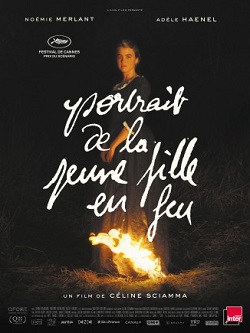
Portrait of a Lady on Fire can succinctly be described as a slow burn. Literally, with its slow-paced storytelling and the recurring theme of fire, as well as metaphorically, with the depiction of tension and love quietly blossoming between the main characters. This French queer drama revolves around Marianne, a young painter, commissioned to paint a portrait of Héloïse, a young aristocratic woman preparing for an arranged marriage. As Marianne paints, the two fall in love and remain devoted to each other from a distance long after Héloïse’s marriage. The movie’s complete subversion of the male perspective is one of the main stylistic choices that makes it stand out. You do not miss the lack thereof, and it allows for a fuller exploration of the love shared between Marianne and Héloïse. The film portrays intense emotions entangled within a simple storyline through its themes, motifs, and powerful dialogue.
“Do all lovers feel like they’re inventing something?”
One of my favourite lines in the movie, it perfectly encapsulates the feeling of novelty that comes with loving someone. The sheer intensity of the emotion makes you feel as though you must be the first to experience such love, desire, and admiration for the person in front of you. In the same way that art must feel like you are creating something new, love gives one the same feeling of innovation.
The link between art and love is made clear throughout the film. With nearly every shot looking like it could be a painting, the film uses naturalistic lighting and warm tones to paint an intimate image of the events transpiring. Through Marianne’s two paintings of Héloïse, the audience sees her feelings for Héloïse shift from that of curiosity and fascination to love and desire. The first portrays a smiling, eerily cheery Héloïse – the version of Héloïse her mother wants her to be. Héloïse critiques the painting, claiming it holds “no life” and Marianne starts anew. She ends up with a portrait much more real and genuine – a portrait drawn from true understanding and devotion, rather than memory or convention.
Much of the story is seen through Marianne’s eyes, so as the audience, we are privy to the way she watches Héloïse. We see the shift from studiously watching her for the portrait she has been commissioned to paint, to not being able to take her eyes off of her. Even as she paints, her eyes linger on the sight of her, seemingly struggling to tear her gaze away. The tension portrayed in this move is one that makes your chest tighten, one that makes you hold your breath with every shared glance. A particularly important scene in this movie occurs when Héloïse gently lists out the habits of Marianne that she has observed in the time they have spent together.T I find this is particularly potent, as it gives the subject of the painting, Héloïse, so much agency. It conveys the shift from a one-sided studious watching on Marianne’s part, to a more mutual and equal romantic relationship between the two.
Fire, too, carries a lot of weight in this movie. It conveys both safety and desire, two feelings that often go hand in hand in a romantic relationship. The day of the bonfire, when Héloïse’s dress catches fire, is an incredible depiction of Marianne’s desire for her. From the fire slowly consuming the old portrait of Héloïse to her actual person, the film conveys Marianne’s gradual, almost overwhelming growth of feelings for Héloïse. Apart from these moments, fire is also present in various scenes across the movie, contributing to the feelings of warmth and intimacy present throughout.
The movie essentially operates as a parallel to the Orpheus and Eurydice myth, one of the most tragic and romantic stories in Greek mythology. The myth describes Orpheus, the greatest musician of his time, and his journey to the Underworld to bring back his wife, Eurydice, from the dead. He impresses the God of the Underworld with his mournful music and is told that his wife can follow him back to the world of the living, as long as he doesn’t turn around to look back at her until he leaves the Underworld. He agrees and begins his journey, but he inevitably looks back, for reasons still debated, and she’s swept back to the Underworld. These reasons are debated in the film as well, with Marianne and Héloïse both providing their own opinions for why he turns around.
The similarities between the two are drawn from the very beginning, as Marianne’s first glimpse of Héloïse is of her back turned. For most of hte movie, Marianne constantly follows Héloïse as she walks just a little ahead of her, but towards the end, the movie inverts this, with Héloïse following Marianne as she leaves for the last time. She asks her to turn around and Marianne does, their actions reenacting their version of the Orpheus and Eurydice myth.
Marianne: He chooses the memory of her. That’s why he turns. He doesn’t make the lover’s choice, but the poet’s.
Héloïse: Perhaps she was the one who said… “Turn around”.
Marianne: Because she wanted to be remembered, not possessed?
Héloïse: Because she wanted to choose her own fate. Not just be brought back, but to be remembered as she was. To have her own agency.
Portrait of a Lady on Fire depicts love as shared understanding, rather than possession, where the muse’s agency holds just as much weight as the artist’s devotion. Through its artful storytelling, it conveys the significance of being known and understood by the people who love you, and is one of the most beautiful portrayals of longing I have ever seen.
Directed by: Céline Sciamma
Portrait of a Lady on Fire can succinctly be described as a slow burn. Literally, with its slow-paced storytelling and the recurring theme of fire, as well as metaphorically, with the depiction of tension and love quietly blossoming between the main characters. This French queer drama revolves around Marianne, a young painter, commissioned to paint a portrait of Héloïse, a young aristocratic woman preparing for an arranged marriage. As Marianne paints, the two fall in love and remain devoted to each other from a distance long after Héloïse’s marriage. The movie’s complete subversion of the male perspective is one of the main stylistic choices that makes it stand out. You do not miss the lack thereof, and it allows for a fuller exploration of the love shared between Marianne and Héloïse. The film portrays intense emotions entangled within a simple storyline through its themes, motifs, and powerful dialogue.
“Do all lovers feel like they’re inventing something?”
One of my favourite lines in the movie, it perfectly encapsulates the feeling of novelty that comes with loving someone. The sheer intensity of the emotion makes you feel as though you must be the first to experience such love, desire, and admiration for the person in front of you. In the same way that art must feel like you are creating something new, love gives one the same feeling of innovation.
The link between art and love is made clear throughout the film. With nearly every shot looking like it could be a painting, the film uses naturalistic lighting and warm tones to paint an intimate image of the events transpiring. Through Marianne’s two paintings of Héloïse, the audience sees her feelings for Héloïse shift from that of curiosity and fascination to love and desire. The first portrays a smiling, eerily cheery Héloïse – the version of Héloïse her mother wants her to be. Héloïse critiques the painting, claiming it holds “no life” and Marianne starts anew. She ends up with a portrait much more real and genuine – a portrait drawn from true understanding and devotion, rather than memory or convention.
Much of the story is seen through Marianne’s eyes, so as the audience, we are privy to the way she watches Héloïse. We see the shift from studiously watching her for the portrait she has been commissioned to paint, to not being able to take her eyes off of her. Even as she paints, her eyes linger on the sight of her, seemingly struggling to tear her gaze away. The tension portrayed in this move is one that makes your chest tighten, one that makes you hold your breath with every shared glance. A particularly important scene in this movie occurs when Héloïse gently lists out the habits of Marianne that she has observed in the time they have spent together.T I find this is particularly potent, as it gives the subject of the painting, Héloïse, so much agency. It conveys the shift from a one-sided studious watching on Marianne’s part, to a more mutual and equal romantic relationship between the two.
Fire, too, carries a lot of weight in this movie. It conveys both safety and desire, two feelings that often go hand in hand in a romantic relationship. The day of the bonfire, when Héloïse’s dress catches fire, is an incredible depiction of Marianne’s desire for her. From the fire slowly consuming the old portrait of Héloïse to her actual person, the film conveys Marianne’s gradual, almost overwhelming growth of feelings for Héloïse. Apart from these moments, fire is also present in various scenes across the movie, contributing to the feelings of warmth and intimacy present throughout.
The movie essentially operates as a parallel to the Orpheus and Eurydice myth, one of the most tragic and romantic stories in Greek mythology. The myth describes Orpheus, the greatest musician of his time, and his journey to the Underworld to bring back his wife, Eurydice, from the dead. He impresses the God of the Underworld with his mournful music and is told that his wife can follow him back to the world of the living, as long as he doesn’t turn around to look back at her until he leaves the Underworld. He agrees and begins his journey, but he inevitably looks back, for reasons still debated, and she’s swept back to the Underworld. These reasons are debated in the film as well, with Marianne and Héloïse both providing their own opinions for why he turns around.
The similarities between the two are drawn from the very beginning, as Marianne’s first glimpse of Héloïse is of her back turned. For most of hte movie, Marianne constantly follows Héloïse as she walks just a little ahead of her, but towards the end, the movie inverts this, with Héloïse following Marianne as she leaves for the last time. She asks her to turn around and Marianne does, their actions reenacting their version of the Orpheus and Eurydice myth.
Marianne: He chooses the memory of her. That’s why he turns. He doesn’t make the lover’s choice, but the poet’s.
Héloïse: Perhaps she was the one who said… “Turn around”.
Marianne: Because she wanted to be remembered, not possessed?
Héloïse: Because she wanted to choose her own fate. Not just be brought back, but to be remembered as she was. To have her own agency.
Portrait of a Lady on Fire depicts love as shared understanding, rather than possession, where the muse’s agency holds just as much weight as the artist’s devotion. Through its artful storytelling, it conveys the significance of being known and understood by the people who love you, and is one of the most beautiful portrayals of longing I have ever seen.
Directed by: Céline Sciamma
